
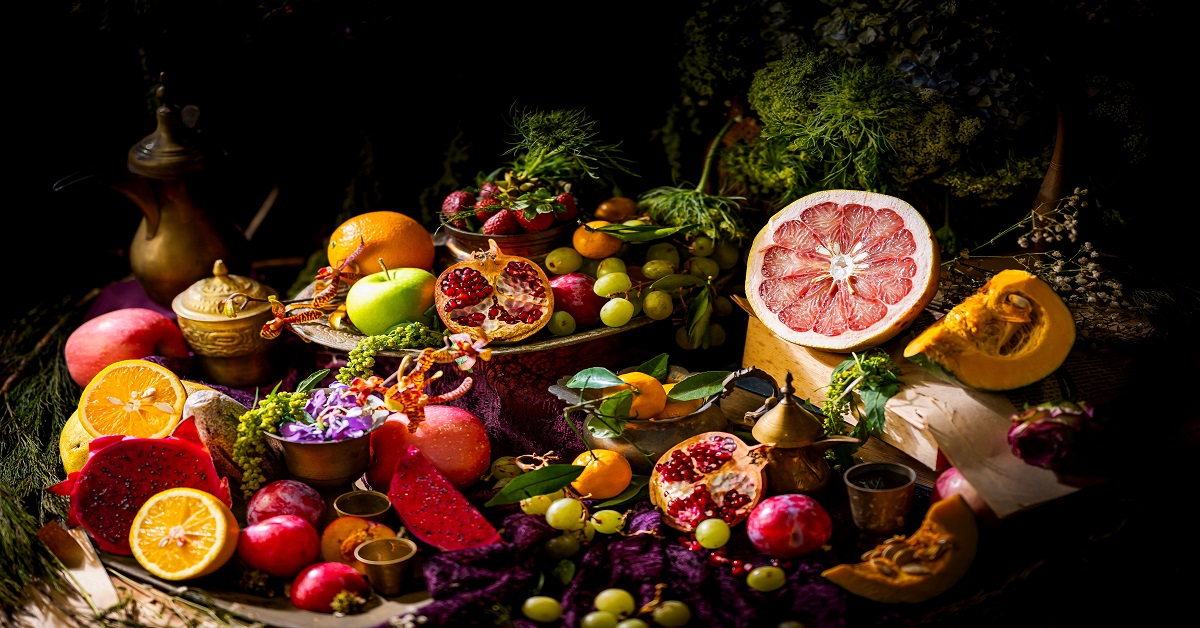
The human body is a complex structure that requires ‘essential ingredients’, such as potassium, vitamin C, magnesium, fiber, and folate, to function optimally. Individuals must ensure adequate levels of micronutrients, either piecemeal or through a balanced diet. One food category that provides the necessary micronutrients is ‘fruits’.
FRUITS THAT YOUR BODY NEEDS
Enjoying nature’s tasty offerings depends on your body’s needs. A healthy and active body can enjoy a variety of fruits, especially after meals. Conversely, individuals with low micronutrient levels need different fruits to regain fitness. For example, to balance Vitamin A requirements, strawberries and lemons are required.
N.B. Most fruits are seasonal in nature. Someone with a micronutrient deficiency should have access to fresh fruits.
ACTIVE & HEALTHY BODY
Imagine your body as a roaring, energetic engine that works, eats, and relaxes accordingly. Along with a proper diet, it needs a regular intake of fruits. These edibles offer a combination of phytochemicals, fiber, vitamins, antioxidants, unsaturated fats, and other nutrients. A fit body should not eat haphazardly, but should enjoy fruits, especially after meals or when needed. For instance, a tired athlete can have a bunch of bananas to help prevent cramps, or an overexcited performer can enjoy blueberries to reduce spikes in adrenaline and cortisol.
However, a healthy individual needs to remember the following aspects:
- No fruits before meals
- No water consumption after fruit(s) intake
- No fruits immediately before bedtime
Anti-nutrients, on the other hand, do not cause harm to diet-conscious individuals; these chemical substances are present in low quantities in fruits.
BODY REQUIREMENTS FOR MINERAL INTAKE
Mineral | Male (19-50 years) | Female (19-50 years) |
Calcium (RNI) mg/day | 700 | 700 |
Phosphorus (RNI) mg/day | 550 | 550 |
Magnesium (RNI) mg/day | 300 | 270 |
Sodium (RNI) mg/day | 1600 | 1600 |
Potassium (RNI) mg/day | 3500 | 3500 |
Chloride (RNI) mg/day | 2500 | 2500 |
Iron (RNI) mg/day | 8.7 | 14.8+ |
Zinc (RNI) mg/day | 9.5 | 7.0 |
Copper (RNI) mg/day | 1.2 | 1.2 |
| Selenium (RNI) µg/day | 75 | 60 |
Iodine (RNI) µg/day | 140 | 140 |
Manganese (SI) mg/day | <1.4 | <1.4 |
Molybdenum (SI) µg/day | 50-400 | 50-400 |
| Chromium (SI) µg/day | <25 | <25 |
| Fluoride (SI) mg/kg | 0.5 | 0.5 |
RNI: Reference Nutrient Intake, SI: Safe Intake
Source: Minerals in Nutrition
According to the World Health Organization, an adult should consume 400g of fruits and vegetables combined. Because there is no specific division for fruits, one of the leading healthcare systems, the UK National Health Service (NHS), offers the ‘5-A-Day’ plan. It divides fruit and vegetable intake into portions. It recommends 5 portions, each 80g, per day. An individual can allocate 2 portions (160g) or 3 portions (240g) to fruit, depending on need.
NUTRIENT COMPOSITION OF FRUITS
| S.No. | Fruit Name | Portions (80 gm each) | Nutrients | ||||||
Calories (kcal) | Proteins | Carbohydrates | Fats | Fiber | Vitamin C | Potassium | |||
1 | Apple | 2 | 83 | 2% | 108% | 3% | 3.8g | 7.4mg | 171mg |
2 | Banana | 2 | 142 | 5% | 102% | 3% | 4.2g | 13.9mg | 573mg |
3 | Mango | 2 | 96 | 5% | 100% | 6% | 2.6g | 58.2mg | 269mg |
4 | Grapes | 2 | 110 | 4% | 105% | 3% | 1.4g | 5.1mg | 306mg |
5 | Pomegranate | 2 | 133 | 8% | 90% | 13% | 5.9g | 16.3mg | 378mg |
6 | Orange | 2 | 75 | 8% | 100% | 2% | 3.8g | 85.1mg | 290mg |
7 | Watermelon | 2 | 48 | 8% | 101% | 5% | 0.6g | 13mg | 179mg |
8 | Cantaloupe | 2 | 54 | 9% | 96% | 5% | 1.4g | 58.7mg | 427mg |
9 | Strawberry | 2 | 51 | 8% | 96% | 8% | 3.2g | 94.1mg | 245mg |
10 | Blueberry | 2 | 91 | 5% | 102% | 5% | 3.8g | 15.5mg | 123mg |
11 | Pineapple | 2 | 80 | 4% | 105% | 2% | 2.2g | 76.5mg | 174mg |
| 12 | Cherry | 2 | 101 | 7% | 102% | 3% | 3.4g | 11.2mg | 355mg |
Source: FruitsPedia
N.B. Fruit composition varies because of botanical variety, cultivation practices, weather, changes in maturity and ripeness, and storage conditions. The best solution is to develop food composition databases at the country level. (FAO)
ILLNESS-PRONE BODY
As we age, our body struggles to function optimally because of irregular routines, an unhealthy diet, infrequent checkups, restlessness, and other factors. In such cases, fruits help a great deal. They reduce nutrient deficiencies and improve activity. Moreover, the immune and nervous systems get an instant boost.
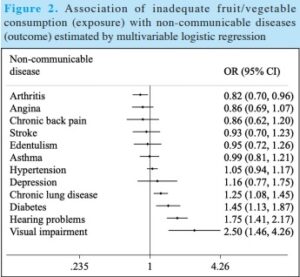
Improving health requires proper meal intake. However, this is not the case globally. The World Health Organization estimates 3.9 million deaths from inaccessibility to fruit and vegetables. According to HAL, inadequate fruit/vegetable consumption is associated with chronic lung disease, visual impairment, diabetes, and hearing problems for middle-age/older individuals.
Source: Hal
Another research shows the positive impact of a short-term fruit intervention. Consuming two kiwis for three consecutive days increases neutrophil activity and plasma Vitamin C levels. Likewise, eating mixed berries for two weeks can minimize fecal calprotectin levels by 15%. Nuts also provide various benefits to consumers: A clinical trial on obese patients showed that the dietary quality of nut eaters was higher than that of groups having chocolate, crisps, and other foods.
FRUITS & BENEFITS
S.No. | Disease Prevention | Name of Fruit | Source |
1 | Cardiovascular Issues | Apricot, Apple, Grapefruit, Kiwi, Pomegranate, Pineapple, and Papaya | |
2 | Muscle Pain | Tart Cherry | |
3 | Inflammation | Tomato, Grape, Raspberry | https://www.hilarispublisher.com/open-access/foods-that-fight-inflammation.pdf https://pmc.ncbi.nlm.nih.gov/articles/PMC9229651/
|
4 | Digestion | Melon, Mango, Papaya | |
5 | Stress | Orange, Pear, Banana |
Colon cancer is a major concern worldwide. In 2020, researchers detected over 1.93 million cases. Doctors emphasize the importance of a healthy diet alongside medication. In a study, human colon cancer cell lines were treated with punicalagin, total pomegranate extracts, and pomegranate juice for 48 hours at concentrations of 12.5-100 µg/ml, and a visible reduction in cancer growth was observed. Plum, papaya, and lychee are also beneficial for cancer treatment.
REAL-LIFE EXAMPLES OF POSITIVELY-IMPACTED PATIENTS
1. Green Banana Supplement Trial in Bangladesh
A study was conducted on 2968 children aged 6 to 36 months with acute and prolonged diarrhea. They were divided into a standard care group and a standard care plus green banana group. Mothers were instructed to add cooked green banana to some children’s diets.
The trial’s outcome was positive. After day 3, children with acute diarrhea receiving the green banana diet had better recovery rates: 79.9% vs. 53.3%. Likewise, children with prolonged diarrhea receiving the green banana diet also had higher recovery rates by day 10: 79.8% vs. 51.9%.
2. Cardiometabolic Health with Avocado Consumption
A study analyzed the diets of healthy adults and those with clinical cardiovascular disease or at an increased risk of cardiovascular problems. Avocados were added to some diets.
The results were promising. Overall, total cholesterol decreased significantly by 5.08 mg/dL in individuals who ate avocados. In subgroup analysis, hypercholesterolemic individuals had lower LDL (9.4 mg/dL) and total cholesterol levels (7.54 mg/dL) than the control group.
3. Lemons and Oranges Diet for Scurvy Patients
James Lind, the famous British naval surgeon, conducted a clinical trial on 12 patients with scurvy in 1747. The sailors were divided into groups, each receiving some consumables. Patients who ate lemons and oranges recovered more quickly. Other patients were given vinegar, cider, and seawater.
Research in the coming years established that Vitamin C was the ingredient required to eliminate scurvy.
HISTORICAL IMPORTANCE OF FRUITS
Fruit, whether raw or combined with leaves or herbs, has proved effective for various diseases, including ulcers, indigestion, and diarrhea. Ancient and medicinal doctors and physicians in Rome, China, and Africa have successfully achieved the desired results.
According to Roman physicians, drinking a decoction of dried pears or leaves, quince soaked in vinegar, or eating sour cherries could treat diarrhea. In case of coughs, dried cherry tree sap was a quick solution. For cancerous ulcers and dog bites, the mixture of crushed almonds with honey was a useful remedy.
African history offers numerous remedies using fruits, herbs, and leaves. The Handbook of African Medicinal Plants provides different combinations to improve human health.
S.No. | Disease | Parts Used |
1 | Toothache, Wound Dressing | Fruits, Leaves |
2 | Hemorrhoids, Arthritis | Fruits, Leaves |
3 | Cough | Fruits, Leaves |
| 4 | Obesity, Rickets, Insanity | Fruits |
5 | Prevent Miscarriage | Stem Bark, Fruits, Leaves |
| 6 | Parasitic Skin Diseases, Dysentery | Fruits, Leaves |
In the Journal of Medicinal Plant Studies, primitive Asian medicine contained jujube, a sweet, stone fruit. The Chinese system of medicine used the fruit to treat spleen diseases, urinary disorders, blood purification, and other health issues. Furthermore, a combination of jujube with routine medicines could cure ulcerative colitis disease.
Video Link: https://www.youtube.com/watch?v=95jKR9tVyYM